

At a glance
Multiple small molecule therapeutics for treatment of cancers that use of the ALT pathway.
Developing multiple small molecule therapeutics for cancers dependent on the Alternative Lengthening of Telomeres (ALT) pathway.
Writing a new treatment chapter for 10-15% of all cancers
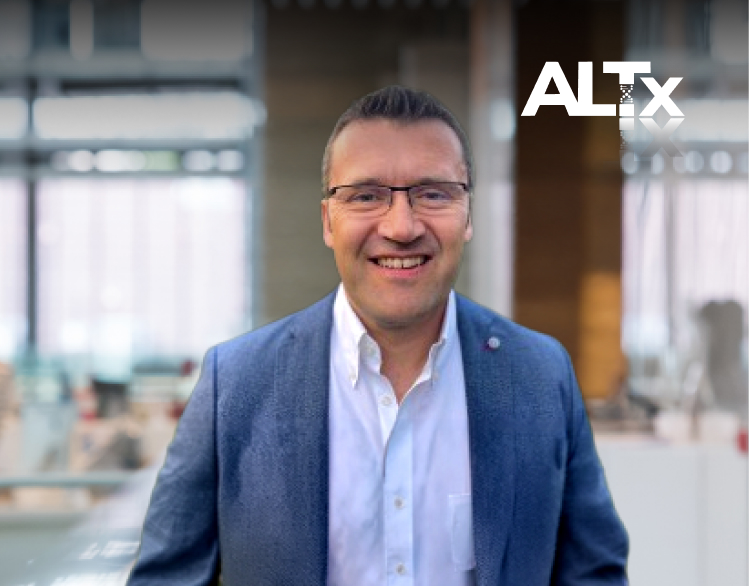
I am delighted that Syncona and Slingshot have given us the opportunity to start an exciting new chapter to develop novel therapeutics targeting ALT cancers. This is the culmination of a decade of hard work from my lab and the Science Technology Platform groups within the Crick who have identified and derisked several promising ALT targets, which we aim to progress towards the clinic for the benefit of cancer patients.
Simon Boulton Scientific Founder, ALTx Therapeutics
PROGRAMME DETAILS
SSTX—002 | SSTX—003
Based on the pioneering work of Simon Boulton at the Francis Crick Institute, ALTx leverages fundamental insights in cancer cell immortalisation to develop novel treatments for cancer.
The programme will be advanced in collaboration with the Crick with funding from Syncona, the Francis Crick Institute and Cancer Research Horizons.
Executive summary
- Indication: Targeted oncology for cancers dependent on the Alternative Lengthening of Telomeres (ALT) pathway
Target: Multiple novel targets
Founding scientist: Dr. Simon J. Boulton, Francis Crick Institute
Programme overview
10-15% of all cancers rely on the ALT pathway to elongate their telomeres, as a mechanism to escape telomere crisis and promote tumour growth. Reliance on ALT introduces unique vulnerabilities in these cancers that can be exploited to specifically kill these tumour cells.
Dr. Simon J. Boulton’s work at the Francis Crick Institute has systematically explored, identified and characterized these vulnerabilities and ALTx stems from these insights. ALTx is developing first in class therapeutics against novel targets to exploit the most promising of these vulnerabilities. The company operates through a deep hands-on collaboration with the Francis Crick Institute.
Target potential
ALT-dependent cancers represent a clearly defined, biologically validated opportunity in oncology. By targeting vulnerabilities unique to the ALT pathway, ALTx is pursuing a differentiated approach with the potential to deliver highly selective therapies for patients with significant unmet need.
The ALT pathway presents a compelling therapeutic opportunity, with an identifiable patient population and a clear biological rationale for intervention. ALTx is seeking to translate deep scientific insight into a differentiated pipeline of targeted oncology therapies.
Meet the founding team
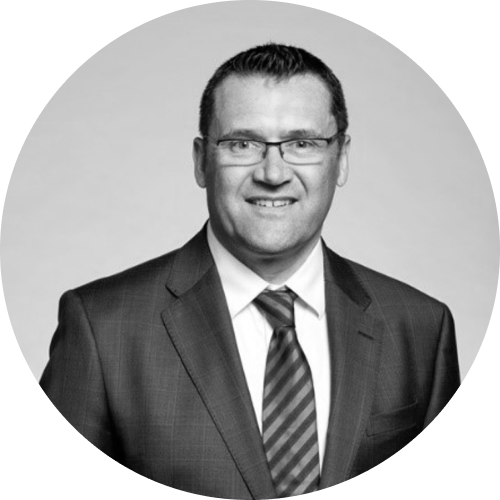
Dr. Simon J. Boulton
Simon is a Principal Group Leader & Assistant Research Director for Translation at the Francis Crick Institute in London and Chief Translation Advisor for Cancer Research UK with over 30 years’ experience studying mechanisms of DNA repair and telomere maintenance. Over the years Simon’s lab has discovered new DNA repair/telomere genes and provided novel insights into human diseases including cancer. In 2016, Simon helped to establish Artios Pharma Ltd where he functioned as VP of Science Strategy alongside his academic roles at the Francis Crick Institute and Cancer Research UK.
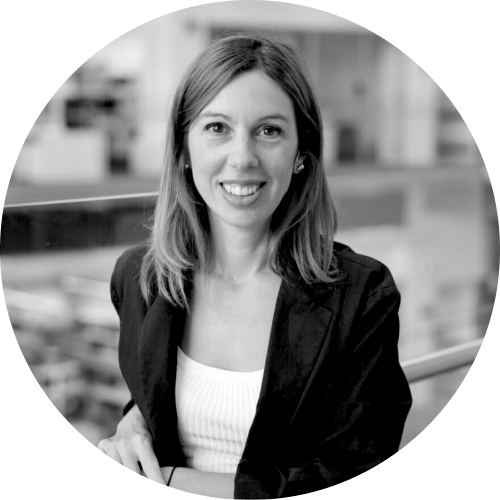
Aurora I. Idilli
Aurora Irene Idilli is a molecular biologist focused on how genome stability controls tumour cell proliferation. She earned her PhD in Biomolecular Sciences at the University of Milan and completed her postdoctoral training at CIBIO – Department of Cellular, Computational and Integrative Biology, University of Trento (Italy), working on telomere maintenance in paediatric brain tumours. In 2019, she joined the Francis Crick Institute, advancing translational cancer research on alternative lengthening of telomeres (ALT) vulnerabilities. By integrating advanced molecular tools with in-vivo models, her data provided the scientific foundation for the creation of the company.
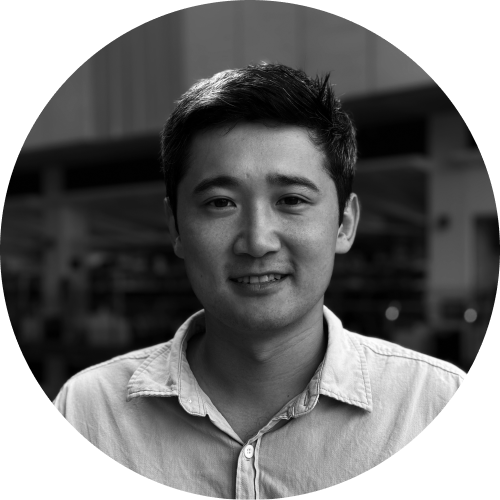
Shudong Li
Shudong completed his DPhil in Oncology at Oxford University studying DNA damage. He joined the Simon Boulton’s lab at The Francis Crick Institute as a postdoctoral research fellow in 2022. Working alongside Aurora Idilli and Sandra Segura-Bayona, he carried out the foundational work which identified new targetable vulnerabilities in cancers which rely on alternative lengthening of telomeres (ALT).
Sandra Segura-Bayona
Sandra obtained her PhD in Biomedicine from the University of Barcelona, where she trained under the supervision of Dr. Travis Stracker. She then joined the laboratory of Dr. Simon Boulton at the Francis Crick Institute. Her research has focused on the molecular mechanisms underpinning alternative lengthening of telomeres (ALT) and identified genetic vulnerabilities associated with ATRX loss, the most common genetic identifiable alteration in ALT-dependent cancers. She has contributed to the development and validation of the ALT research platform established in Dr. Boulton’s team and serves as an academic co-founder.
Joanna Redmond
Joanna Redmond is Head of the Chemical Biology Science and Technology Platform at the Francis Crick Institute, where she founded and leads a multidisciplinary team delivering innovative chemical tools to accelerate discovery science and enable translation. Prior to joining the Crick, she spent 14 years at GSK in drug discovery, leading medicinal chemistry programmes across multiple targets and modalities. She went on to establish and lead GSK’s chemogenomic screening platform, shaping its strategic application to target identification in the early portfolio.
Pete Craggs
Pete joined the Chemical Biology STP of the Francis Crick Institute in 2024, following a four year industry-academia fellowship carried out at the Crick. Prior to this Pete worked in early stage drug discovery at GSK for over 20 years, contributing to and leading projects in a range of therapy areas, including immuno-inflammation, infection and oncology. Pete carried out his PhD in biochemistry and enzymology with Professor Luiz Sorio Carvalho at the MRC National Institute of Medicinal Research.
Rob Quinlan
Rob carried out a DPhil in chemistry under the supervision of Professor Paul Brennan at the University of Oxford, working on the development of small molecule treatments for neurodegenerative diseases. He completed a brief postdoc with Professor Brennan at the ARUK Oxford Drug Discovery Institute before joining the Chemical Biology STP of the Francis Crick Institute in 2023 as a senior medicinal chemist.
Benura Azeroglu
Benura obtained her PhD in Cell and Molecular Biology at the University of Edinburgh under the supervision of Professor David Leach. She completed her postdoctoral training at the National Cancer Institute (NIH) in the laboratory of Dr Eros Lazzerini Denchi, where she investigated the regulation of alternative lengthening of telomeres (ALT) and identified potential therapeutic vulnerabilities in ALT-dependent cancers. In 2025, she joined the Francis Crick Institute, supporting Simon Boulton’s translational research efforts focused on targeting ALT in cancer.
Stéphane Mouilleron
Stéphane obtained his PhD in Biochemistry and Crystallography at the CNRS, University of Paris-Saclay, where he studied the enzymatic mechanism of Glucosamine-6-Phosphate Synthase. He completed his postdoctoral training at the CRUK-London Research Institute in the laboratory of Dr. Neil McDonald, focusing on the structural analysis of actin-binding proteins. Following a role as Head of the Protein Structure Unit at CRUK, London, he joined the Francis Crick Institute’s Structural Biology Science Technology Platform to support the institute’s drug discovery projects.